New Tesla Roadster Makes Public Debut at Petersen Museum, Claims 0–60 mph in 0.8 Seconds With Rocket-Inspired Technology
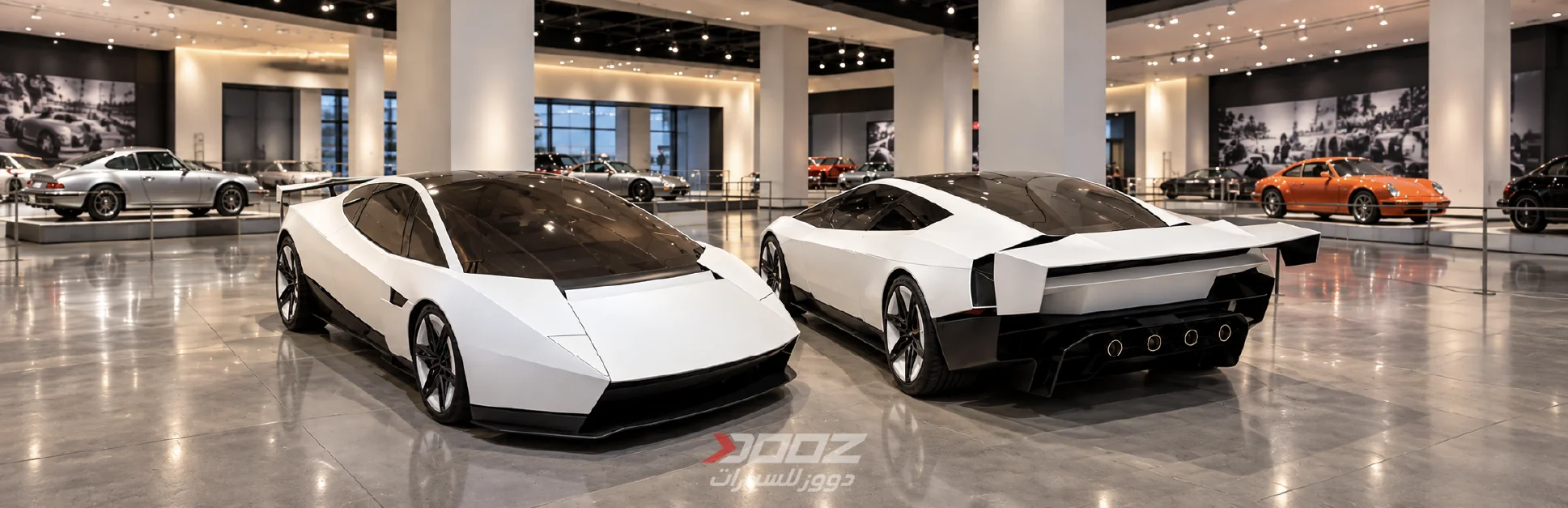
The new Tesla Roadster has made its first public appearance at the Petersen Automotive Museum in Los Angeles, California, with a display scheduled to run from October 24 to 27, 2026. The appearance follows an unveiling event held by Tesla at a SpaceX testing facility in Texas.
The new Roadster is attracting attention for its unconventional technologies, combining electric powertrains with air thrusters and systems designed to generate downforce. During the demonstration, Tesla showcased a prototype claimed to accelerate from a standstill to 60 mph (approximately 97 km/h) in just 0.8 seconds, alongside aerial stunts made possible by technology developed in collaboration with SpaceX.
Tesla Roadster: An Electric Sports Car Beyond Conventional Limits
The new Roadster is the long-awaited next generation of Tesla’s electric sports car, following the introduction of the second-generation model in 2017. However, the version unveiled in October 2026 takes a more ambitious approach, combining advanced aerodynamics, suction systems, and air thrusters designed to enhance performance.
According to information published on Tesla’s official website, the company plans to offer the car in three main versions: Performance, Thrust, and Rocket. These variants differ in equipment, performance capabilities, and the technologies they use.
Acceleration From 0 to 97 km/h in 0.8 Seconds
One of the most striking claims surrounding the new Roadster is its advertised acceleration. During the demonstration, a prototype equipped with thrusters was shown reaching 60 mph, equivalent to approximately 97 km/h, in around 0.8 seconds.
However, this figure relates to a demonstration involving the thruster-equipped prototype. It does not confirm that every Roadster variant will achieve the same acceleration under normal driving conditions. Furthermore, describing the car as the “fastest production car in the world” requires verification against established comparison criteria and actual commercial production, as the vehicle has not yet entered series production.
How Can the Tesla Roadster Fly and Perform Flips?
The most advanced demonstration version relies on cold-gas thrusters developed in collaboration with SpaceX. These systems use highly pressurized gas to generate thrust, helping the car move forward and upward, as well as perform rotational maneuvers in the air.
During the demonstration in Texas, the prototype used this technology to lift off the ground and clear a group of Tesla vehicles before rotating and landing back on the track. Reports indicate that the thruster system uses compressed-gas tanks and nozzles distributed around the vehicle rather than conventional rocket fuel.
These capabilities are associated with the Rocket version, which Tesla describes as a single-seat configuration available through special invitations and not approved for use on public roads, according to information published on its official website.
Underbody Fans and Downforce of Up to Twice the Force of Gravity
In addition to the thrusters, the Roadster features a multi-mode suction system that uses fans to draw air from beneath the vehicle, generating downforce to help keep the tires firmly planted on the road.
Tesla says the system can generate downforce equivalent to approximately twice the force of gravity (2G) under specific operating conditions. This could help improve grip and cornering performance. The system can also reportedly generate enough suction to hold the car against an inverted surface during a demonstration.
The suction system works alongside active aerodynamics and a movable rear wing, which can adjust its position according to performance requirements. Together, these technologies are designed to balance reduced aerodynamic drag with increased downforce.
The 2G figure does not mean that the car flies using its fans alone. The demonstration’s lifting and rotational maneuvers rely on a separate thruster system.
Three Versions of the New Tesla Roadster
According to information published on Tesla’s website, the Roadster lineup is divided into three variants with different intended uses and equipment:
- Performance: The road-focused version features two seats, active aerodynamics, and a multi-mode suction system. Tesla claims a 0–60 mph time of less than 1.6 seconds.
- Thrust: This version adds cold-gas thrusters at the rear and has a claimed 0–60 mph acceleration time of under one second. It retains two seats.
- Rocket: The most advanced version features thrusters positioned around the vehicle to generate thrust in multiple directions, including upward movement, lateral motion, and rotation. It has a single-seat configuration, is available through special invitations, and is not approved for public-road use, according to Tesla’s official website.
These differences make clear that the Roadster’s aerial demonstration capabilities are not standard across all versions. They are specifically associated with the Rocket configuration.
When Will the New Tesla Roadster Enter Production, and How Much Will It Cost?
Elon Musk indicated during the unveiling that production is targeted to begin in 2028. However, Tesla has not confirmed a final delivery schedule or announced a definitive retail price for the vehicle.
According to reports about reservations, Tesla has requested a deposit of $50,000 for the Performance version and $250,000 for the Thrust version. The Rocket version is offered through an invitation-based system. These deposits should not be confused with the vehicle’s final selling price, which Tesla has not definitively announced.
The Roadster’s appearance at the Petersen Automotive Museum gives the public an opportunity to see the vehicle up close from October 24 to 27, 2026. However, the exhibition does not mean that commercial sales or customer deliveries have begun
.
Does the Roadster Represent the Future of Electric Sports Cars?
The new Tesla Roadster presents a different vision for electric sports cars by combining extreme acceleration, active aerodynamics, and thruster technology inspired by the aerospace industry.
Nevertheless, its advertised performance figures and demonstration capabilities will require independent evaluation once the vehicle reaches commercial production. Key questions remain regarding real-world performance, reliability, everyday usability, and the regulatory requirements for public-road operation.
To stay updated with the latest car news and information, download the Dooz Cars app.


Tesla Launches New Model YL with 6 Seats and an Impressive 751 km Range
1 year ago


Chinese Brands BYD and Nio Lead Car Sales in China with Remarkable Growth in August 2024
2 year ago

