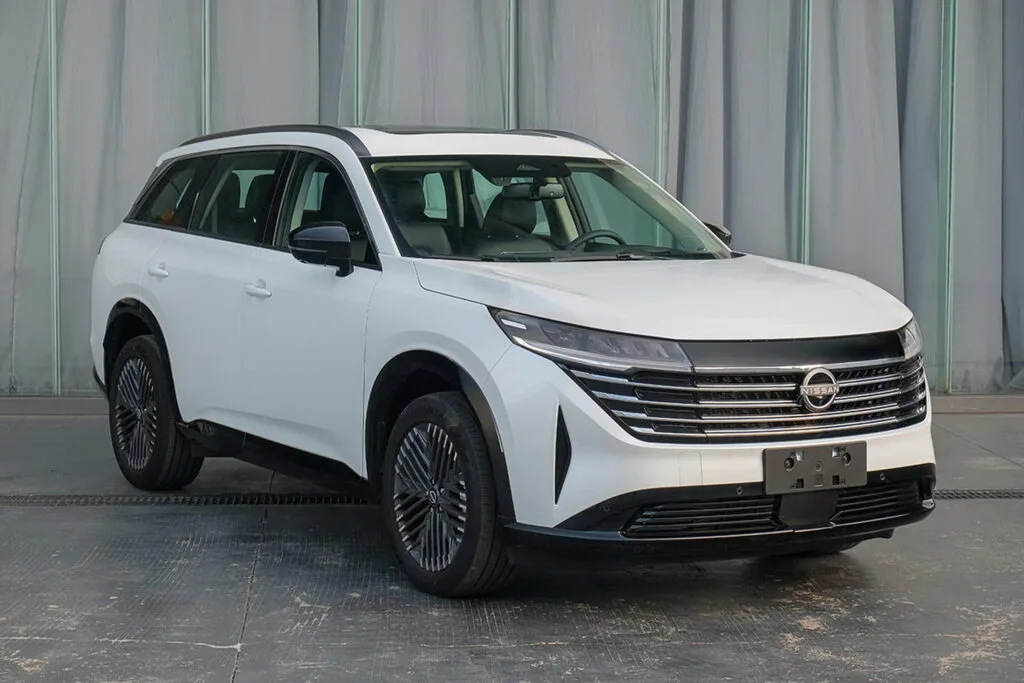
Nissan Officially Announces Discontinuation of Altima and Rogue PHEV Amid Comprehensive Restructuring Plan
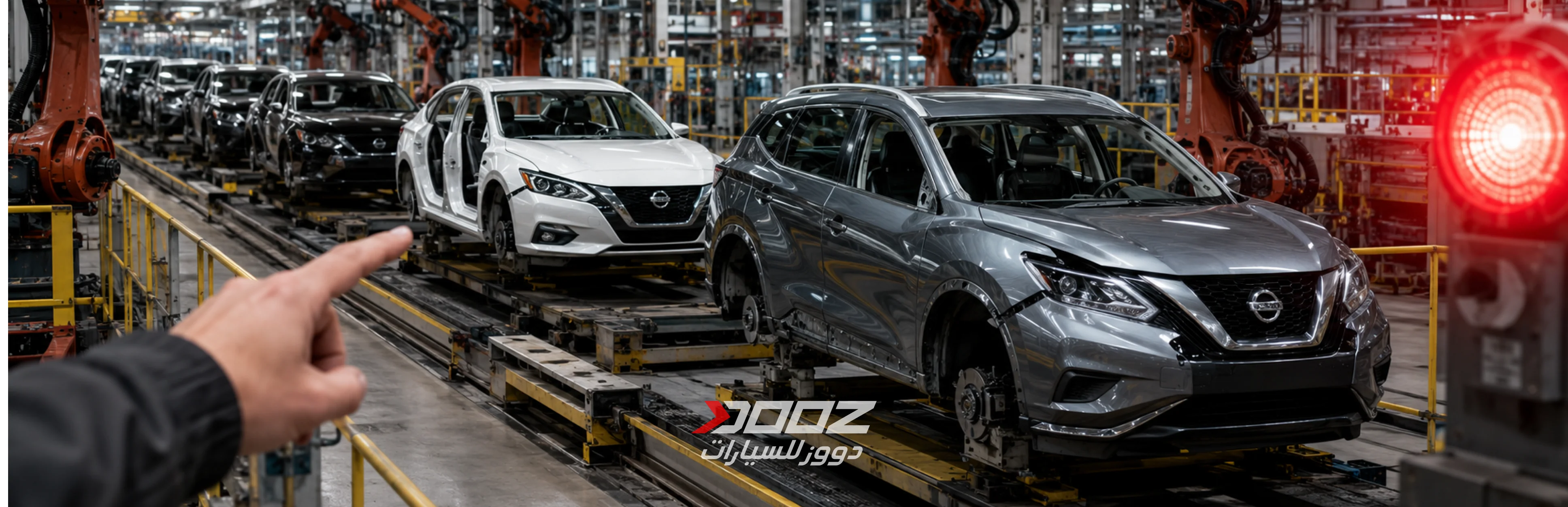
In a major strategic adjustment to its global product portfolio, Nissan has made a decisive move to halt the development and production of its renowned sedan, the Nissan Altima, and the Nissan Rogue Plug-in Hybrid Electric Vehicle (PHEV). This decision stands as a core pillar of a broader corporate restructuring initiative aimed at optimizing operational costs, enhancing financial efficiency, and redirecting investments toward high-growth, sustainably profitable market segments.
The discontinuation of these well-established models in global markets underscores how deeply automakers are impacted by shifting consumer demand dynamics, alongside rising economic pressures associated with maintaining a diverse lineup of multi-platform vehicles in the era of electrification.
Strategic Restructuring and Nissan's Market Realignment
Nissan's decision to phase out the Altima and Rogue PHEV directly aligns with its declared objectives and pragmatic approach focused on streamlining manufacturing processes and eliminating underperforming or low-margin models. The company is actively reorganizing its operations to focus exclusively on vehicle categories that demonstrate sustainable profitability and strong consumer interest.
This strategic realignment involves a critical step to reduce the overall number of distinct vehicle platforms. This reduction allows the company to allocate capital in a highly focused and targeted manner toward advanced electrification technologies and hybrid systems tailored specifically for core markets, ensuring a stronger competitive edge for the brand in an increasingly complex global automotive sector.
The Gradual Phasing Out of Nissan Altima and the Decline of the Sedan Market
The mid-size sedan Nissan Altima maintained a powerful presence and an influential footprint in the North American market for over three consecutive decades, historically serving as a primary sales volume driver for the brand. However, recent years have witnessed a decisive and radical shift in consumer preferences, with buyers clearly favoring Sport Utility Vehicles (SUVs) and crossovers over traditional sedans.
The following key statistics illustrate the downward trajectory of the Altima market, which prompted the company to make this decision:
- 2019: Annual sales volume surpassed the 200,000-unit threshold.
- 2025: Annual sales volume dropped sharply to approximately 92,809 units.
- First Half of the Current Year: Sales data indicated a continuing downward trend, with only 42,288 units delivered.
Based on these figures, Nissan has decided to rely on the compact Nissan Sentra to meet the remaining demand within the traditional sedan segment, especially after the Sentra recorded a strong performance with sales exceeding 75,000 units during the first half of the current year.
Transitioning from Rogue PHEV to Advanced e-Power Technology
The cancellation of the Nissan Rogue PHEV project represents a prominent strategic pivot in Nissan's new approach to hybrid powertrain systems. The Rogue PHEV, which heavily leveraged the architectural and engineering components of the Mitsubishi Outlander PHEV, was primarily used as a tool to assess consumer reception and the viability of plug-in hybrid options within the crossover segment.
Instead of continuing this project, Nissan chose to replace this specific application with its exclusive and innovative (e-Power) technology. The upcoming Rogue e-Power is expected to deliver enhanced and impressive fuel efficiency, alongside a more competitive pricing structure in the markets. This technology relies on integrating a gasoline engine that functions exclusively as a generator for the electric drive system to charge the battery, without having any direct drive mechanism to the wheels.
Future Product Strategy and the Future of Electrification
Beyond these cancellations and phase-outs, Nissan's future product roadmap includes substantial updates to its offerings in the commercial vehicle and large SUV segments. The company's strategic plan points to imminent generational updates for truck-based architectures, specifically targeting the Frontier and Xterra models.
Furthermore, the company is currently conducting a comprehensive evaluation of the potential to introduce entirely new three-row Sport Utility Vehicles (SUVs) to be launched under both the Nissan and premium Infiniti brands. These steps reflect the company's firm and ongoing commitment to meeting stringent global environmental standards while delivering powerful, advanced performance that fully aligns with customer expectations across all target segments.
To stay updated with the latest car news and information, download the Dooz Cars app.
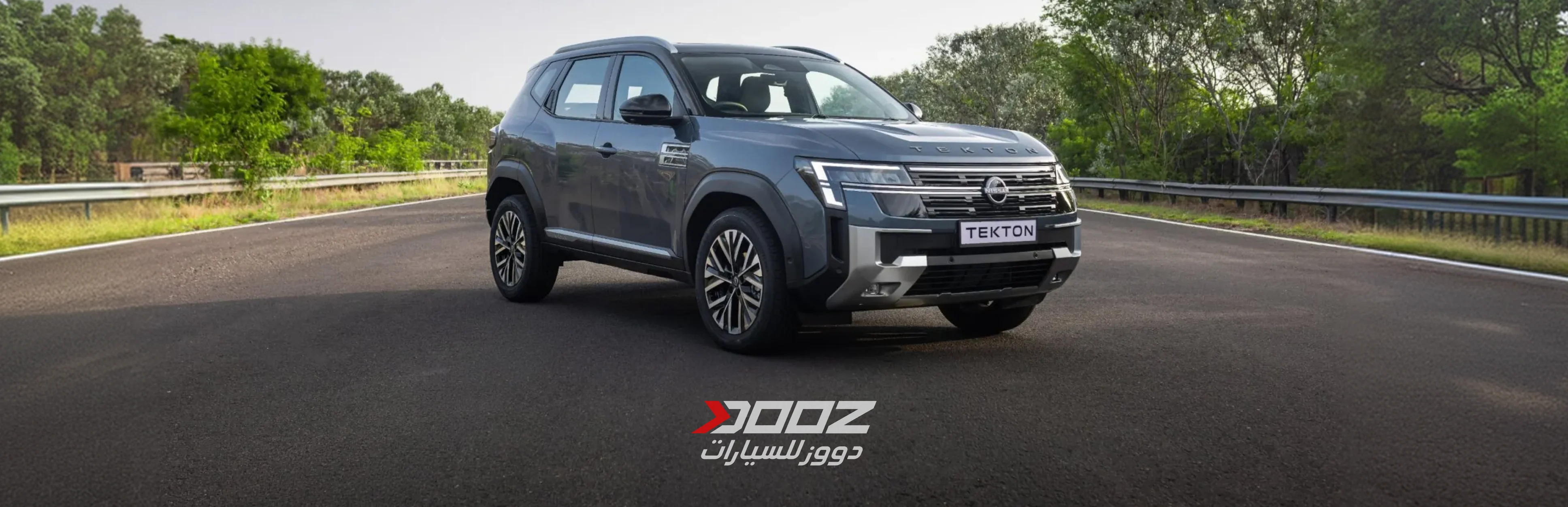
Nissan Tekton 2026 Officially Debuts: Full Specifications and Prices of the Mini Patrol
3 months ago
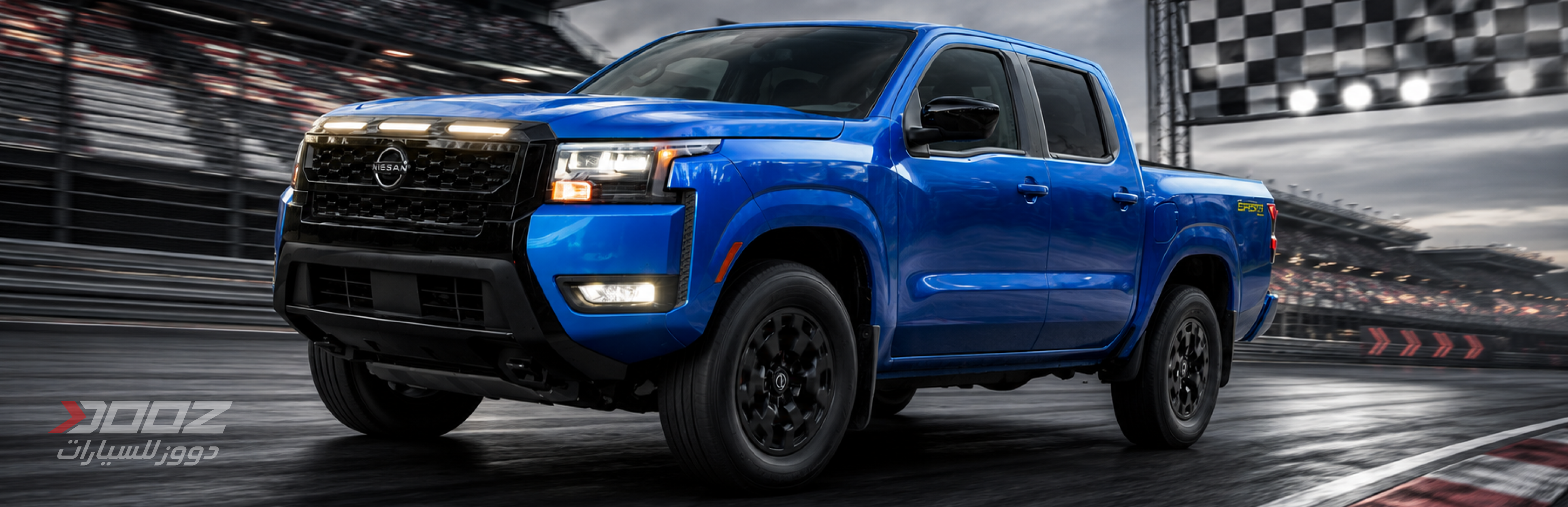
Nissan Frontier Sport Edition 2027 A Classic Pickup with a Bold Look and a Budget-Friendly Price
3 months ago

Nissan Unveils the Seventh Generation of the Patrol in an Exclusive Event in Abu Dhabi
2 year ago

Nissan Halts All Investments in Combustion Engines to Focus Solely on Electric Vehicles
2 year ago
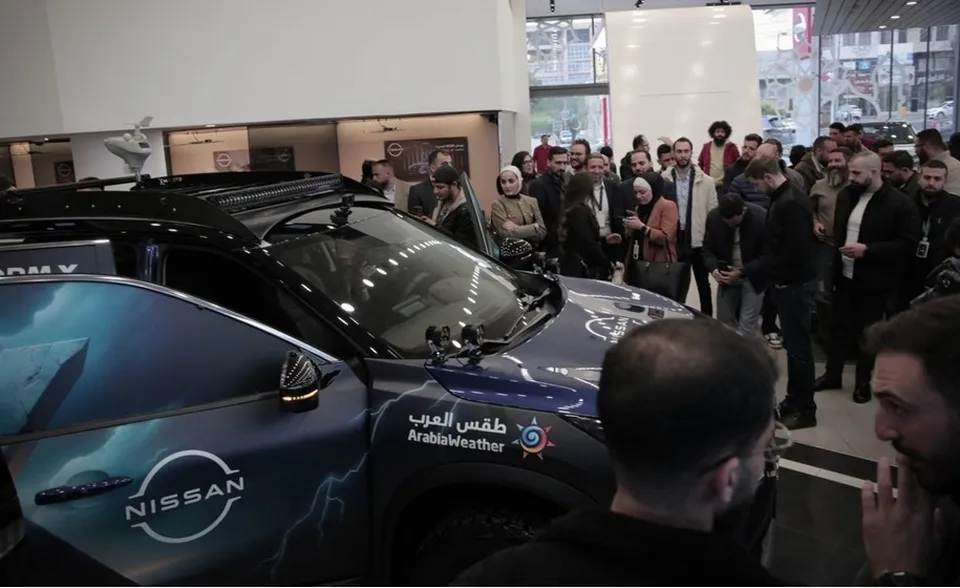
Nissan Jordan and Arabia Weather launched Storm X, the first mobile weather monitoring station in Jordan and the Middle East
2 year ago