Hyundai Ioniq 3: The Compact Electric Hatchback That Brings Real Buttons Back to the Forefront
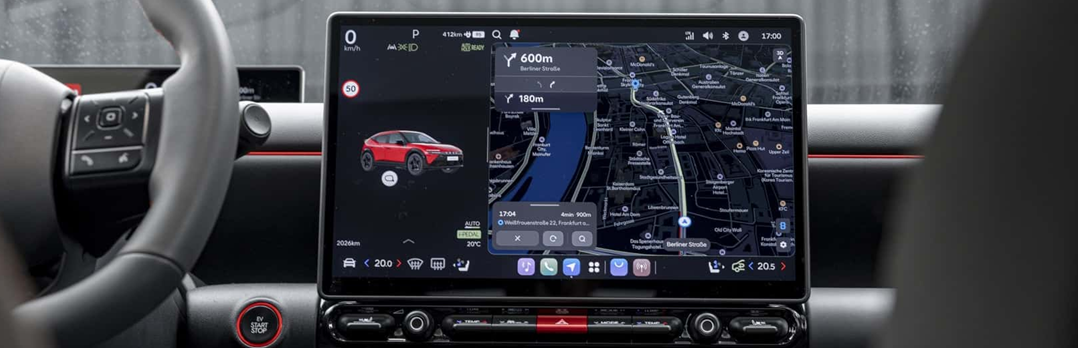
The Korean company Hyundai has launched its all-new electric car, the Ioniq 3, a compact hatchback primarily targeting the European market. It features a futuristic design, advanced technologies, and a notable choice that counters the current trend in the automotive world: the return of physical buttons.
Exterior Design: Compact Dimensions and High Aerodynamics
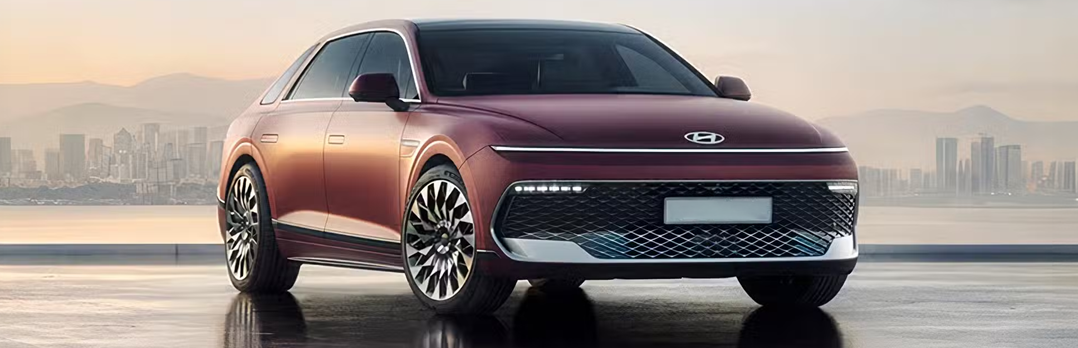
The Ioniq 3 adopts Hyundai's new design language, Art of Steel, which blends sharp lines with fluidity. The car's length is approximately 4.15 meters, making it ideal for crowded cities and smaller than the Genesis GV60 (its luxury sibling, which might look similar at first glance). Engineers achieved an excellent drag coefficient of 0.263, which contributes to improved efficiency and reduced wind noise. The front features a sharp sporty character, and an N Line version is available for those seeking a more dynamic look.
Performance and Battery: Diverse Options to Meet Different Needs
Built on the advanced E-GMP platform (with a 400V architecture), the Ioniq 3 is available in two different versions in terms of range and power:
- Standard Range Version (Ioniq 3 SR):
- Battery: 42.2 kWh.
- Power: 147 hp.
- Torque: 250 Nm.
- Range: Up to 343 km (WLTP cycle).
- Acceleration (0-100 km/h): In 9.6 seconds.
- Long Range Version (Ioniq 3 LR):
- Battery: 61.0 kWh.
- Power: 135 hp (the power was tuned to increase efficiency and range).
- Torque: 250 Nm.
- Range: Up to 495 km (WLTP cycle).
- Acceleration (0-100 km/h): In 9.0 seconds.
- Top Speed: Electronically limited to 169 km/h (105 mph).
Interior and Technologies: The Smart Return of Traditional Buttons
The Ioniq 3's interior is one of its strongest points, combining modernity and practicality:
- Infotainment System: Pleos Connect, running on Android Automotive OS, with screens ranging between 12.9 and 14.6 inches.
- Physical Buttons: In a move that won the approval of many, Hyundai brought back a row of real buttons below the screen to control essential functions such as seat heating, temperature, fan speed, and volume via a rotary dial.
- Space and Practicality: The car provides a rear cargo space of 441 liters, including a smart underfloor trunk called the Megabox.
- Additional Features: A premium Bose sound system, LED ambient lighting, and dual-zone climate control.
Availability and Future: The European Market First, and Other Markets are Possible
- The Ioniq 3 was designed in Hyundai's technical center in Europe and is produced in Turkey.
- The car is intended primarily for the European market, where it will compete with cars like the electric Renault 5 and the MG4.
- According to media reports (Chasing Cars), the car might reach other markets like Australia by early 2027.
- Although its arrival in Arab markets has not been confirmed yet under this name, expectations point to the potential appearance of a similar model from Kia (Hyundai's sibling company) soon.
- Estimates (EV Database) indicate that the car's price in Europe will start from around 34,000 euros for the basic version.
Dooz
In a world filled with touchscreens, the Hyundai Ioniq 3 reminds us of the importance of focusing while driving by bringing back physical buttons for essential functions. Choose a car that combines advanced technology with practical ease to ensure safer and more comfortable journeys. Download the Dooz car app.
Other Car News



With 800 HP Lamborghini Launches the All-New 2027 Urus SE Performante Hybrid
2 months ago



Renault Launches Lottery for Limited Kangoo Color Editions in Japan Amidst Astonishing Popularity
5 months ago
Dooz Cars: The Comprehensive Guide to the Car Buying, Selling, and Digital Services App in Jordan
6 months ago
