A Triple Japanese Alliance Honda, Nissan, and Mitsubishi to Standardize Automotive Brains to Counter Chinese Dominance
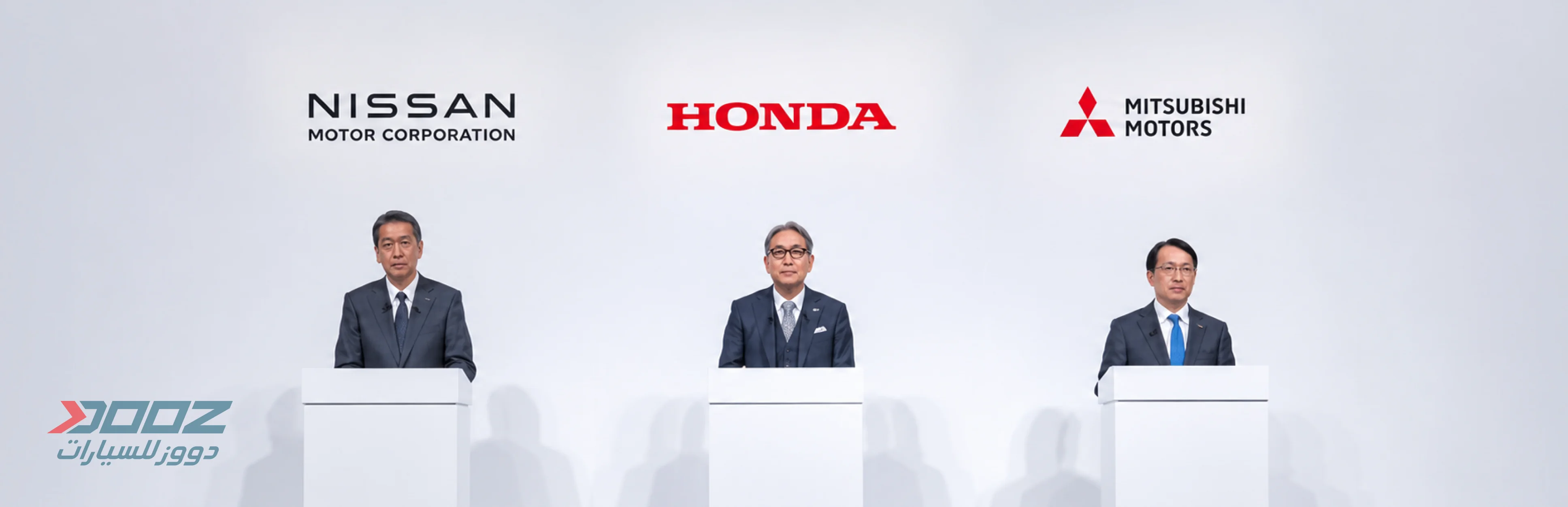
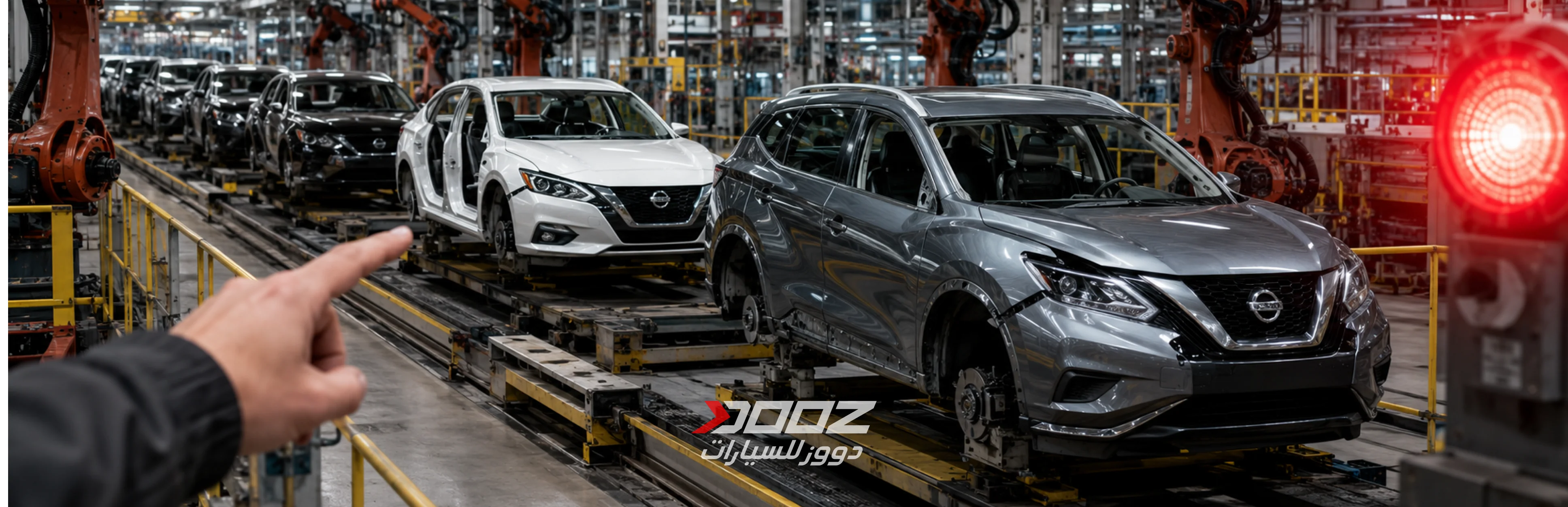
Three of Japan's leading automaker Honda, Nissan, and Mitsubishi—have entered advanced technical negotiations to forge a unified defensive front against the rapid expansion of Chinese EV manufacturers and Tesla. This strategic alliance marks a radical shift in the engineering philosophy of Japanese factories, which have historically relied on independent and siloed development for each brand.
Standardizing Electronic Control Units (ECUs) to Cut Costs
The core pillar of this alliance centers on the joint engineering and development of the most vital component in modern vehicles: the Electronic Control Unit (ECU), commonly known as the vehicle's "brain."
Instead of draining budgets by designing exclusive, separate computer processors, the three giants intend to standardize technical criteria to jointly develop and procure unified control units. These units will be responsible for powering:
In-cabin infotainment and information systems.
Advanced autonomous driving (AD) technologies.
Software-Defined Vehicles (SDVs).
Integrating Electric and Hybrid Vehicle Production Lines
According to documented industry reports, the use of these unified electronic "brains" will not be restricted to Battery Electric Vehicles (BEVs) alone; it will also encompass hybrid vehicles.
By merging the massive purchasing power and supply chains of Honda, Nissan, and Mitsubishi, the alliance aims to achieve the following goals by the end of this decade (2029–2030):
Drastically reduce production and development costs through strict efficiency measures.
Launch competitively priced models that closely match the pricing and software sophistication of Chinese automakers and Tesla.
Balancing Cost Reduction with Brand Identity
The Japanese automakers fully recognize the importance of commercial differentiation. Therefore, despite relying on standardized hardware and electronic processors across production lines to maximize economies of scale, each company plans to preserve its unique footprint by developing independent software interfaces.
This dual-layered engineering approach ensures that while Honda, Nissan, and Mitsubishi vehicles will share the same internal electronic processor, each vehicle will still deliver a distinct driving experience, unique dynamic responsiveness, and an infotainment system that reflects the specific visual and practical identity of its respective brand.
To stay updated with the latest car news and information, download the Dooz Cars app.

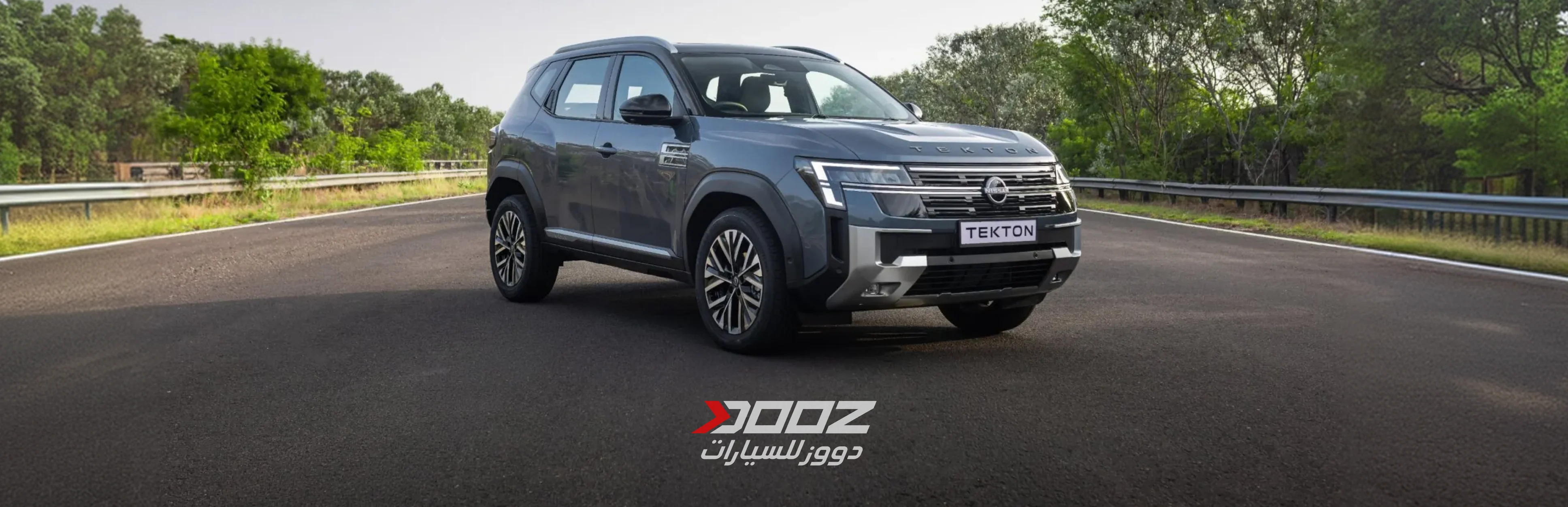
Nissan Tekton 2026 Officially Debuts: Full Specifications and Prices of the Mini Patrol
2 months ago
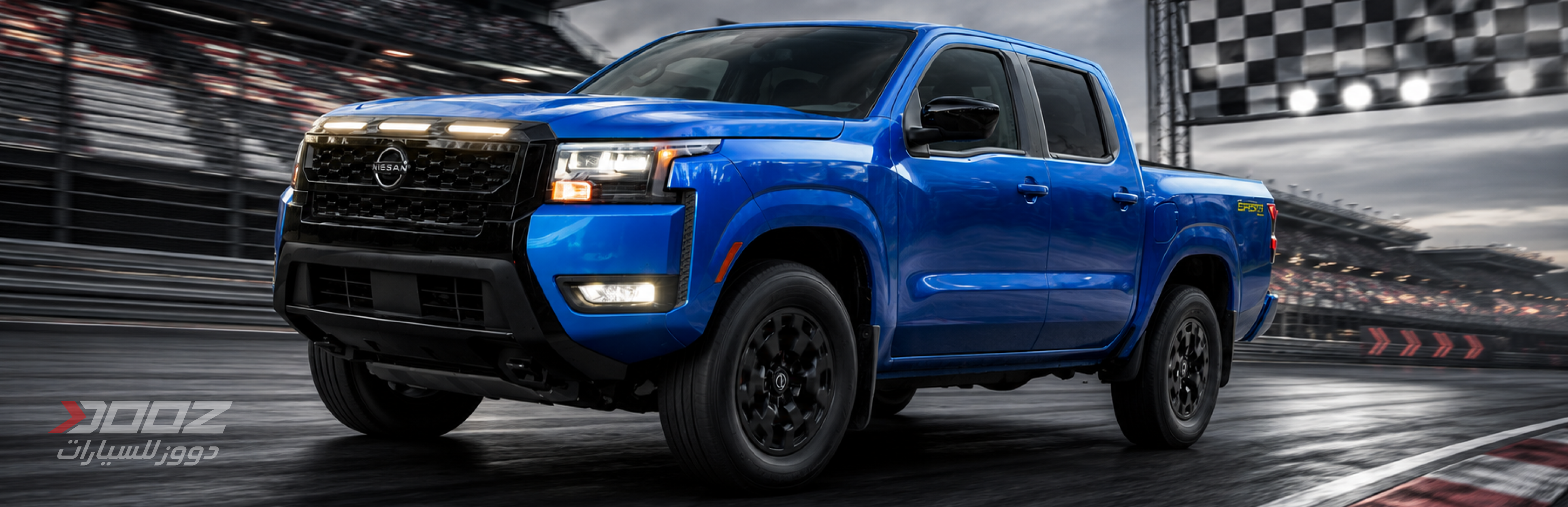
Nissan Frontier Sport Edition 2027 A Classic Pickup with a Bold Look and a Budget-Friendly Price
3 months ago