Salvage and Chinese Standard Ban: Will Your Car Price Go Up?
1 year ago
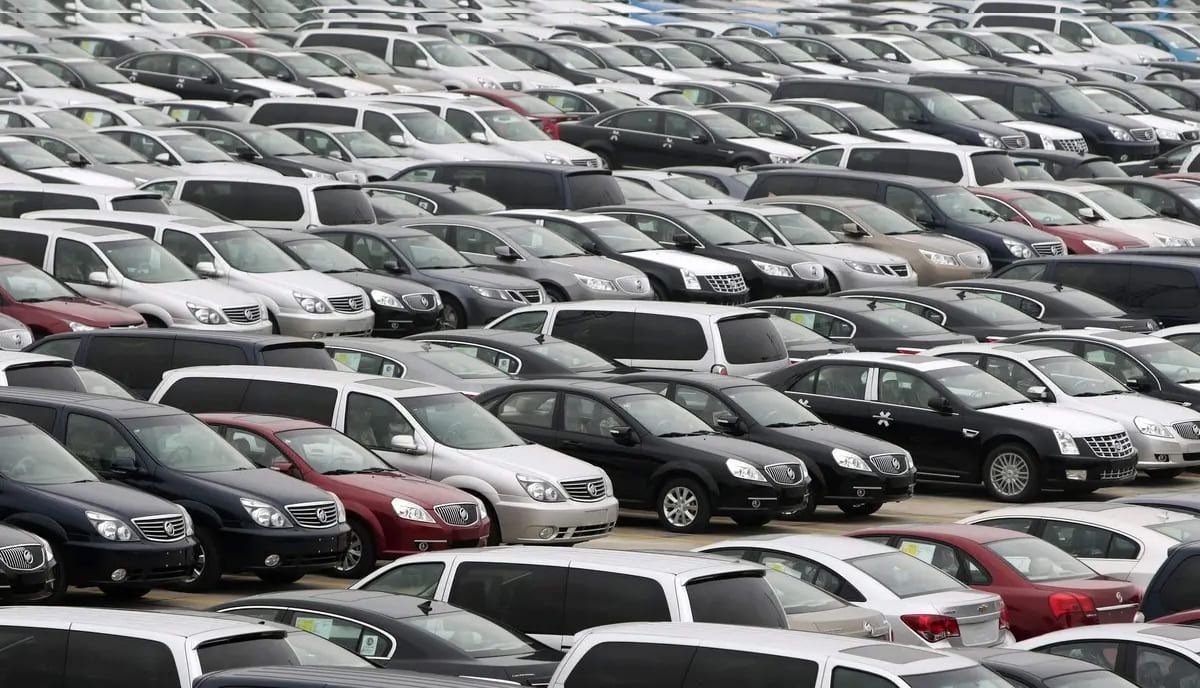
Recently, the government officially announced a ban on the import of “salvage” vehicles and non-compliant cars, effective from November 1st. The move is officially aimed at protecting consumers and ensuring vehicle safety, but it has sparked widespread concern among both traders and citizens, amid fears of rising prices and the loss of affordable options for the average consumer.
Direct impact on citizens
The most affected will be those who rely on used cars as an economical choice. A price increase is expected due to the reduced supply, especially for segments that previously relied on “salvage” or older imported vehicles. In the medium term, however, the quality and safety of vehicles entering the market could improve, provided that strict inspection and compliance standards are enforced.
Traders and importers under pressure
Car traders face significant financial burdens due to the need to clear existing stock before the implementation date, in addition to the halt of re-export trade to neighboring countries, threatening substantial investments in free zones. The impact does not stop there: the partial closure of workshops specialized in repairing “salvage” cars will result in the layoff of a large number of technicians and professionals, directly affecting unemployment rates.
Private sector and union responses
The Mechanical Professions Syndicate stated that the decision came as a surprise without prior consultation, violating the principle of partnership between the public and private sectors. The syndicate did not call for a complete reversal of the decision but urged for it to be addressed and amended in the public interest: reopening the import of “salvage” vehicles under strict inspection and compliance conditions, and extending the allowed age for used electric cars from three to five years. According to the syndicate, these measures protect citizens, reduce market shocks, and support the local economy.
Economic and social challenges
- Rising prices and loss of affordable options for citizens.
- Halt of re-export trade and loss of investments in free zones.
- Closure of specialized maintenance workshops and layoffs of workers.
- Financial burdens on traders to clear existing stock.
Practical steps to mitigate the impact
- Implement a gradual application period, giving traders and workshops time to settle stock and adapt to the change.
- Introduce temporary exceptions for specific cases, such as re-export operations under clear conditions.
- Strengthen inspection and compliance to ensure vehicle safety and prevent fraud.
- Support workshops and technicians through temporary training programs and career transition initiatives.
- Reconsider the allowed age for electric cars to reduce price shocks without compromising safety.
Other Car News


Adoption of Electronic Licenses Over Plastic Ones and Ceasing Cash Payments at the Licensing Department
1 month ago
Jordan
Electronic License
See More

Cash Payments Phased Out as Driver and Vehicle Licensing Department Fully Adopts Electronic Payments Starting Sunday, August 2
1 month ago
Jordan
Driver Licensing
See More

By Government Directives.. Fuel and Gasoline Prices Fixed in Jordan for August 2026
1 month ago
Jordan
Fuel Prices

Reduction of Tax on U.S. Vehicles to 16% Under Trade Agreement Between Jordan and Washington
2 months ago
Jordan
Tax
See More


Fuel Pricing for June 2026 in Jordan: Petrol and Kerosene Prices Frozen, Diesel Price Adjusted
3 months ago
jordan
Fuel
See More
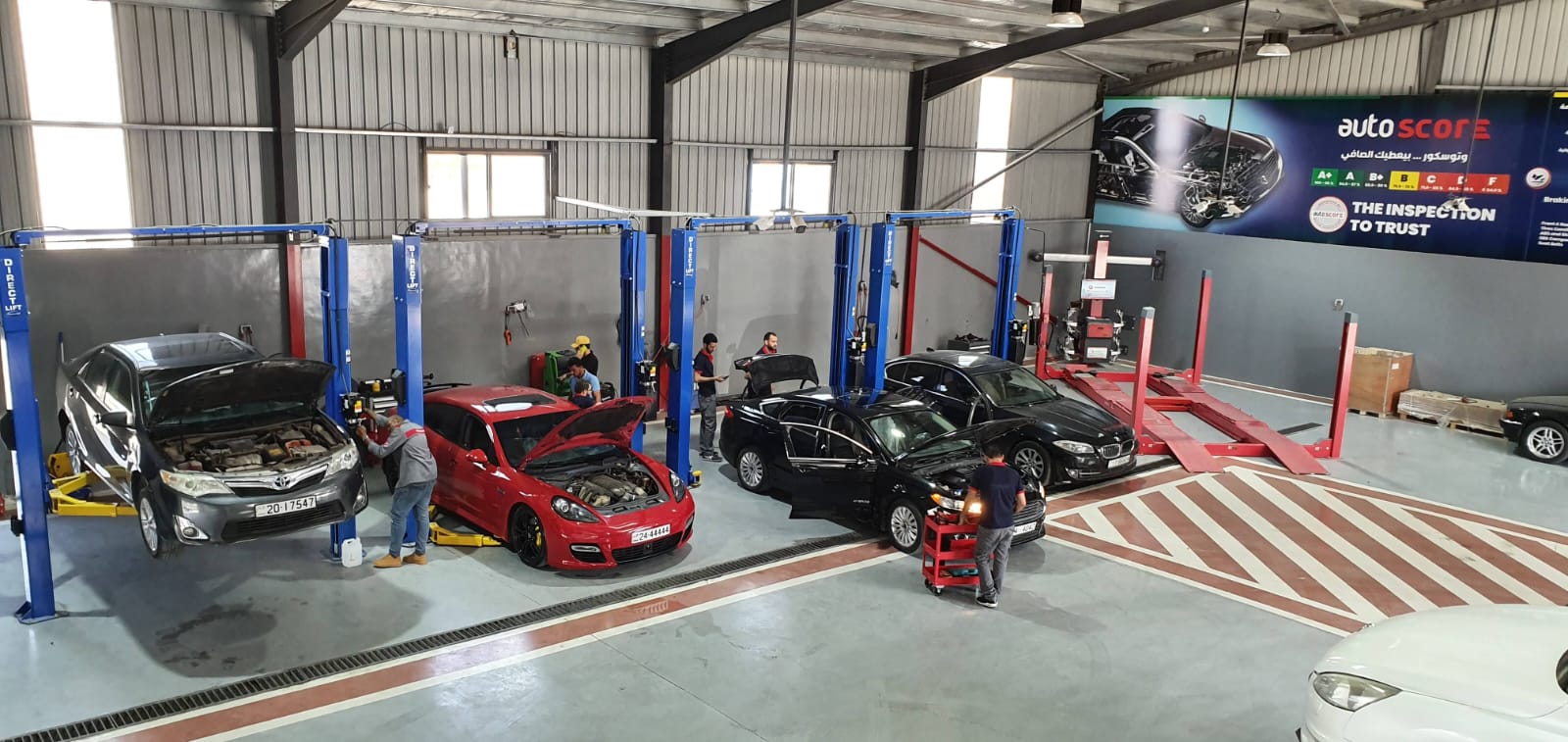
After 7 Years of Market Education: How autoscore Led Jordan’s Shift Toward Scientific Vehicle Inspection
4 months ago
Jordan
Car Inspection
See More
