Sales Tax on Cars in Jordan 2025: Key Decisions and Market Impact
1 year ago
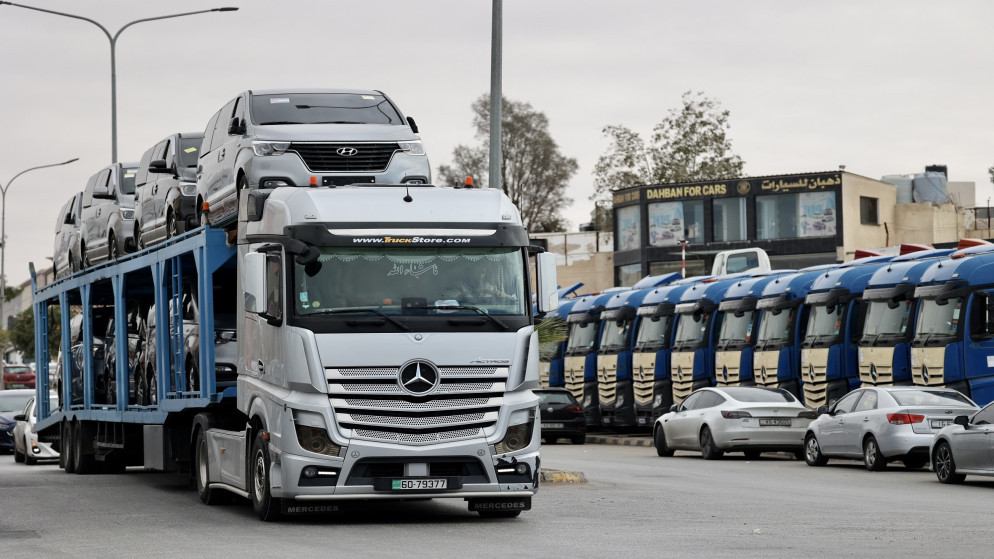
In 2025, Jordan’s automotive sector witnessed significant government decisions that reshaped the tax landscape for all types of vehicles, whether gasoline-powered, electric, or hybrid. A government source confirmed that the Council of Ministers reviewed Decision No. (4306) issued on June 28, 2025, which canceled all previous exemptions and subjected all vehicles to a 16% sales tax, in accordance with the General Sales Tax Law No. (6) of 1994.
Special Exemption for Vehicles Before the Decision
During the Council of Ministers’ session on September 8, 2025, it was decided to exempt electric and hybrid vehicles that had been customs-cleared prior to the issuance of Decision 4306 from the new sales tax. This exemption was introduced to correct discrepancies and avoid imposing unexpected financial burdens on importers and owners, especially for vehicles cleared just days before the decision. The number of vehicles included in this exemption is estimated at around 800 to 900 units.
Changes in the Vehicle Tax System
On June 28, 2025, the government amended the special tax system on vehicles. Under the new framework, electric and hybrid cars became subject to sales tax in addition to the special tax, whereas previously they only paid the special tax. Gasoline-powered cars, on the other hand, were already subject to both the special tax and sales tax.
This adjustment created an overlap in the tax burdens for some vehicles, which prompted the government to issue the exemption in order to ensure fairness among all stakeholders.
Comprehensive Tax and Customs Reductions
Alongside the introduction of the sales tax, the Council of Ministers approved broad amendments aimed at easing financial burdens on citizens and addressing structural distortions in the automotive sector. Key changes included:
Gasoline vehicles: Total tax was reduced from 71% to 51%, a decrease of around 28%.
Hybrid vehicles: Taxes were lowered from 60% to 39%, a reduction of approximately 35%.
Electric vehicles: The special tax was fixed at 27% across all categories, replacing the previous system that gradually raised the tax rate to 55%.
Market Impact in Jordan
These decisions reflect the government’s efforts to balance the promotion of environmentally friendly vehicles such as electric and hybrid cars with fair taxation across all vehicle categories. The move is expected to influence car prices in Jordan, creating more stability in taxes and fees, thereby allowing citizens to plan more effectively when purchasing new vehicles.


Adoption of Electronic Licenses Over Plastic Ones and Ceasing Cash Payments at the Licensing Department
2 months ago
Jordan
Electronic License

Cash Payments Phased Out as Driver and Vehicle Licensing Department Fully Adopts Electronic Payments Starting Sunday, August 2
2 months ago
Jordan
Driver Licensing

By Government Directives.. Fuel and Gasoline Prices Fixed in Jordan for August 2026
2 months ago
Jordan
Fuel Prices

Fuel Pricing for June 2026 in Jordan: Petrol and Kerosene Prices Frozen, Diesel Price Adjusted
4 months ago
jordan
Fuel
