Could the Iran War Spark a New Wave of Car Price Increases?
6 months ago
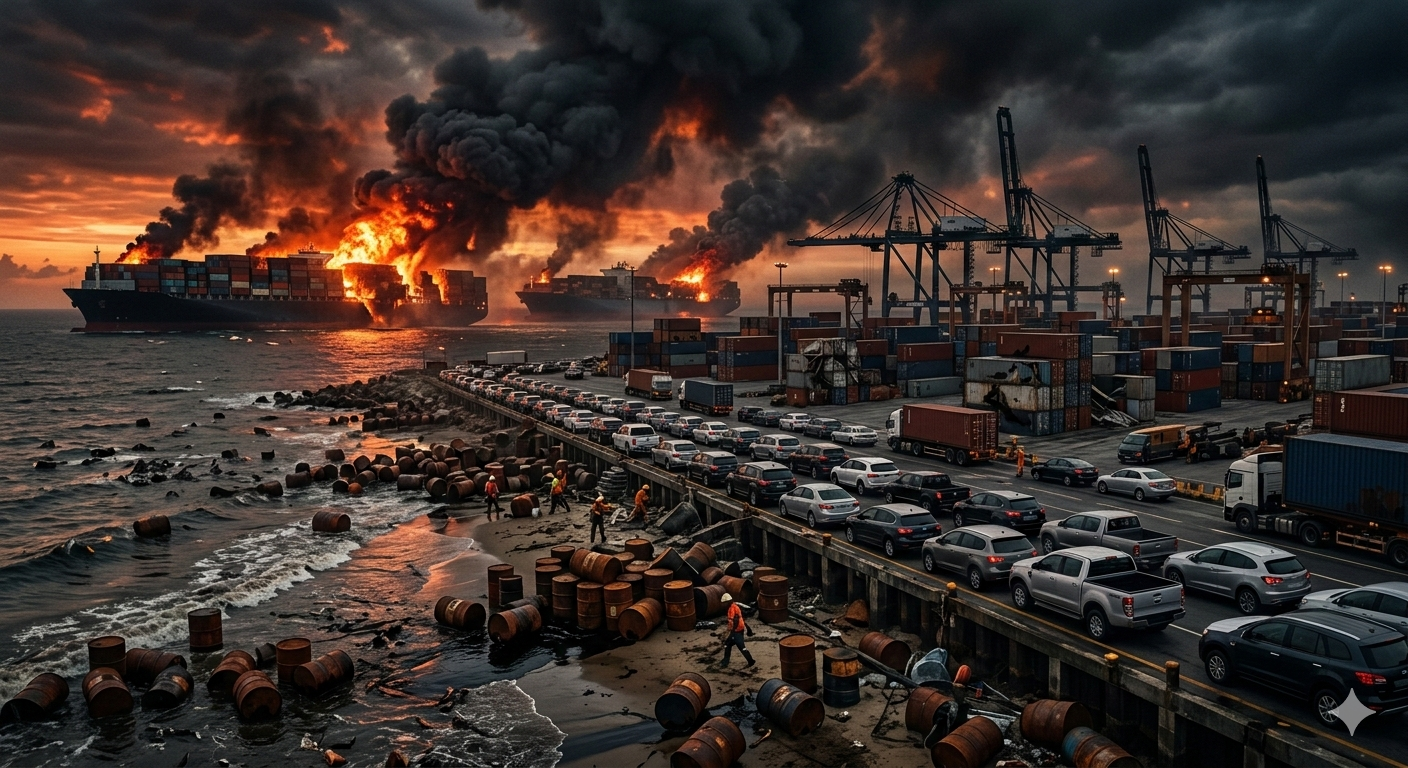
The world is currently witnessing escalating geopolitical tensions in the Middle East, with the possibility of a war involving Iran becoming increasingly discussed. This situation has begun raising real concerns in global markets, particularly in the automotive sector, which heavily relies on energy and international supply chains.
After the automotive industry experienced significant disruptions due to the Russian invasion of Ukraine, economic experts now fear that any large-scale military confrontation with Iran could trigger a new wave of price increases and supply disruptions.
In this article, we analyze the real impact of the potential Iran conflict on the global and Middle Eastern automotive markets, as well as the key lessons the industry learned from the Ukraine war.
The Impact of Tensions with Iran on the Global Automotive Market
Rising Oil Prices and Their Direct Impact on the Automotive Industry
Oil is one of the most influential factors in the automotive industry. It is not only used as fuel but also serves as a key raw material in manufacturing many vehicle components such as plastics and rubber.
With growing tensions in the Gulf region, particularly around the Strait of Hormuz through which nearly 20% of global oil trade passes concerns about disruptions to energy supplies have increased.
This scenario could lead to:
Higher global fuel prices
Increased production costs for car manufacturers
Rising prices for new vehicles in global markets
Higher fuel costs often push consumers toward smaller, more fuel-efficient, hybrid, or electric vehicles.
Disruptions to Global Supply Chains
Modern car manufacturing depends on a vast network of suppliers worldwide. Any military conflict in the Middle East could affect:
Maritime shipping routes
Shipping insurance costs
Delivery times for vehicles and spare parts
If tensions escalate near the Arabian Gulf, some shipping companies may be forced to alter their routes, resulting in higher transportation costs and delayed vehicle deliveries to markets worldwide.
The Impact of an Iran Conflict on the Middle Eastern Automotive Market
The Middle East is considered an important market for global car manufacturers, with millions of vehicles sold annually across the region.
If tensions with Iran persist, several direct effects could emerge.
1. Rising Vehicle Prices
Due to increases in:
Shipping costs
Fuel prices
Maritime insurance
Import costs
2. Shortages of Certain Models
Markets may experience delays in the arrival of vehicles imported from:
Japan
South Korea
China
This is especially likely if maritime shipping routes are disrupted.
3. Changes in Consumer Preferences
During economic crises and periods of rising fuel prices, consumers tend to shift toward:
Fuel-efficient vehicles
Hybrid cars
Electric vehicles
The Potential Impact on the Automotive Market in Jordan
The car market in Jordan relies heavily on imports. Therefore, any global disruption is quickly reflected in local prices.
Among the most expected effects:
Higher prices for imported vehicles
Increased demand for economical vehicles
Growing interest in hybrid cars due to their fuel efficiency
Delays in the arrival of some vehicles due to slower shipping or higher transportation costs
What Happened to the Automotive Market During the Russia-Ukraine War?
When the war between Russia and Ukraine erupted in 2022, the global automotive industry experienced one of the biggest crises in its modern history.
Shutdown of Key Factories and Suppliers
Ukraine was one of the most important producers of essential automotive components, particularly vehicle wiring harness systems used in many European cars.
Following the Russian invasion of Ukraine, many of these factories were forced to shut down, which pushed several major European car manufacturers to temporarily halt production lines.
Major Increase in Energy Prices
The war triggered an energy crisis in Europe, especially after the reduction of gas and oil supplies from Russia.
This led to:
Higher factory operating costs
Increased vehicle prices
Significant inflation in the used car market
Automakers Withdrawing from the Russian Market
After Western sanctions were imposed, many global automakers withdrew from the Russian market, resulting in:
Factory shutdowns
Billions of dollars in losses
A major shift in the regional automotive market landscape
Could the Global Automotive Crisis Happen Again?
So far, the impact of tensions involving Iran remains limited compared to what happened during the Ukraine war. However, experts warn that a wider conflict in the Middle East could trigger a new crisis in the global automotive sector.
Key risks include:
A sharp rise in oil prices
Disruptions to maritime shipping routes
Rising car prices worldwide
If tensions continue for a prolonged period, consumers around the world may face another wave of automotive price inflation similar to what occurred after the Ukraine war.
In recent years, it has become clear that the automotive industry is highly sensitive to geopolitical events. After the shock caused by the Russia-Ukraine war, the world could face new challenges if tensions involving Iran escalate.
As geopolitical uncertainty continues, the global automotive market will remain under pressure from several critical factors, most notably energy costs, supply chains, and international shipping.
Other Car News

Adoption of Electronic Licenses Over Plastic Ones and Ceasing Cash Payments at the Licensing Department
1 month ago
Jordan
Electronic License
See More

Cash Payments Phased Out as Driver and Vehicle Licensing Department Fully Adopts Electronic Payments Starting Sunday, August 2
1 month ago
Jordan
Driver Licensing
See More
By Government Directives.. Fuel and Gasoline Prices Fixed in Jordan for August 2026
1 month ago
Jordan
Fuel Prices

Reduction of Tax on U.S. Vehicles to 16% Under Trade Agreement Between Jordan and Washington
2 months ago
Jordan
Tax
See More
Petroleum products pricing for the month of July 2026 in Jordan
2 months ago
Jordan
مشتقات النفطية
See More
Fuel Pricing for June 2026 in Jordan: Petrol and Kerosene Prices Frozen, Diesel Price Adjusted
3 months ago
jordan
Fuel
See More

Due to Middle East War, Toyota Expects $4.3 Billion in Losses and a Drop in Quarterly Profits
4 months ago
Middle East
Toyota
