China Bans Numerous Features and Add-Ons in Its Cars
As global automakers race to introduce the latest technological innovations, China "the largest car market in the world" has taken a step to reassess certain modern features, not only from a technological advancement perspective but also from the standpoint of road safety. New regulatory measures have begun to emerge, targeting technologies that were once promoted as “futuristic,” yet are now under strict review due to potential safety risks. This approach does not signify a rejection of innovation but emphasizes the need to balance technological progress with the protection of human lives.
Flush Door Handles: Safety Over Design
One of the most prominent measures is the restriction of flush door handles, particularly common in modern electric vehicles such as some Tesla models. These handles operate electrically or retract into the body of the car to provide a streamlined appearance. However, they can be difficult to operate in emergencies or during a power failure, which can hinder rescue efforts.
Consequently, Chinese authorities have imposed new requirements, including the necessity of a traditional mechanical opening mechanism that is easily accessible from both inside and outside the vehicle. This decision reflects a fundamental principle: safety cannot be sacrificed for design or innovation.
Touchscreens vs. Traditional Buttons
The modern trend of replacing most vehicle functions with digital touchscreens has become widespread. Yet Chinese regulators have reaffirmed the importance of having physical buttons for essential functions, such as turn signals, hazard lights, and basic speed controls. The goal is clear: drivers must be able to operate critical functions quickly and without distraction, especially in emergency situations where navigating through digital menus could waste precious time.
Yoke Steering: A Futuristic Design with Clear Challenges
The aircraft-inspired steering wheel, known as a Yoke, differs from a traditional steering wheel in shape and handling position. It is used in some modern vehicles as an innovation aimed at expanding the driver’s field of vision and enhancing the driving experience. However, practical studies have highlighted several challenges, including difficulty controlling the vehicle in emergency situations, a long adaptation period for drivers, and reduced performance in sharp maneuvers. As a result, this type of steering control is under review and may be restricted under safety regulations.
Autonomous Driving: Regulating Terminology Before Technology
China’s approach has not been limited to technical features alone but extends to how they are marketed. Terms such as “autonomous driving” or “smart driving” are now restricted in advertising unless strict conditions are met, to prevent consumers from overestimating the independence of these systems. Even advanced systems like Tesla’s Autopilot still require driver supervision, with the human driver remaining fully responsible for the operation of the vehicle.
OTA Updates: Software Oversight
Over-the-Air (OTA) software updates, which allow automakers to modify or enhance a vehicle’s software remotely without visiting a service center, are now also subject to strict regulations. Chinese authorities require official approval before updating driving systems and prohibit the release of uncontrolled experimental updates. These measures aim to reduce risks associated with software errors that could directly impact vehicle safety.
Redefining the Modern Vehicle
China’s regulatory approach reflects a redefinition of what constitutes a modern vehicle, where priorities have shifted to:
- Safety
- Ease of use
- Clear control during driving
This focus moves away from merely reducing buttons, increasing digital screens, or emphasizing aesthetic design. Safety and reliability now take precedence, even as innovation continues.
Global Implications
Given the size of the Chinese market and its influence on the global automotive industry, these standards are likely to compel international automakers to redesign their vehicles to comply. As global attention to safety increases, similar shifts may occur in other markets in the coming years.
Other Car News

Car Prices in Jordan Surge Amid Strait of Hormuz Tensions
6 months ago
Jordan’s Car Market: Dealers Association Reveals the Truth Behind Prices and Inventory
6 months ago

Could the Iran War Spark a New Wave of Car Price Increases?
6 months ago

The Upcoming “Baby G-Class” or “Little G”: Not Exclusively Electric
7 months ago
Jordan Baja Rally 2026 Kicks Off in Aqaba with Strong International Participation
7 months ago
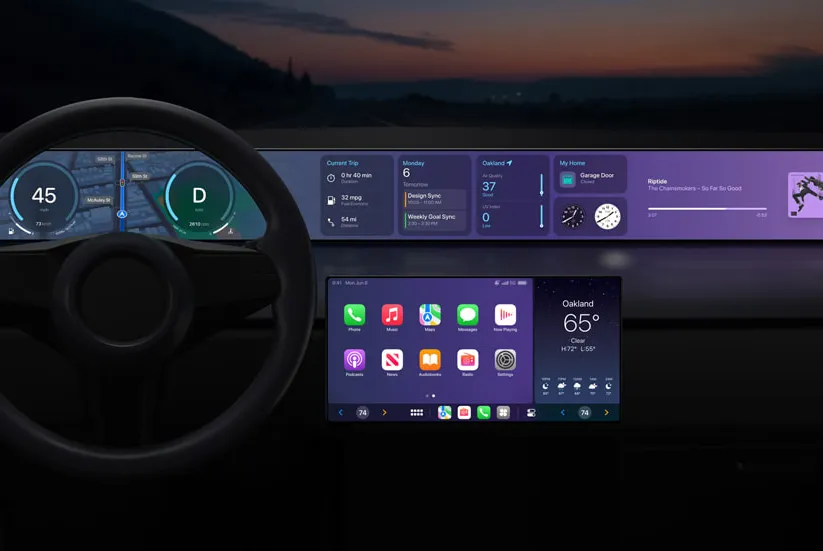
Apple vs. Google in the Race for Automotive Technology in 2026: Who Controls Your Car’s Screen?
7 months ago
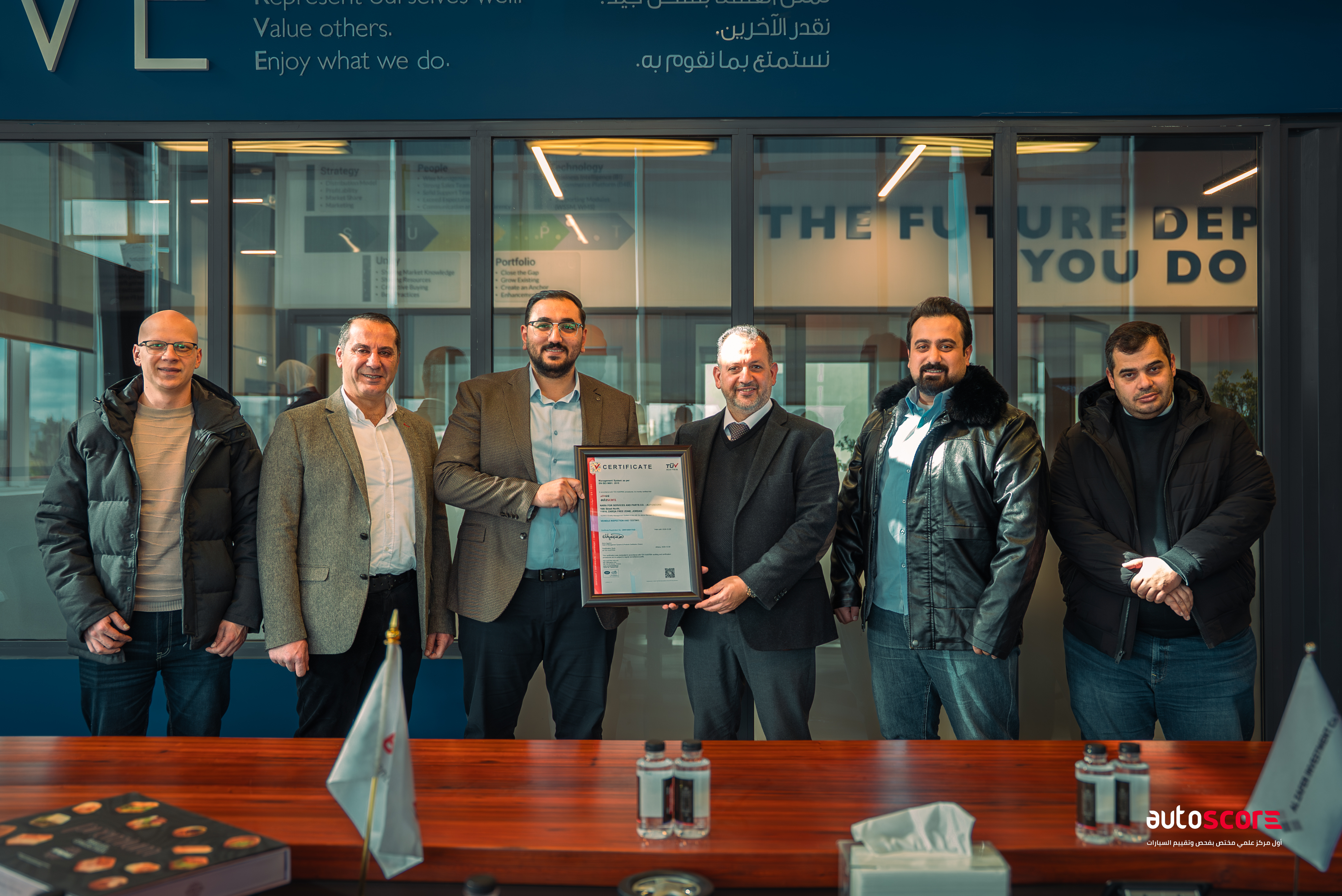
Autoscore Starts 2026 with a Global Record of Accreditations and Quality Certifications
7 months ago
