Smart Safety Systems: Driver Protection or Distraction?
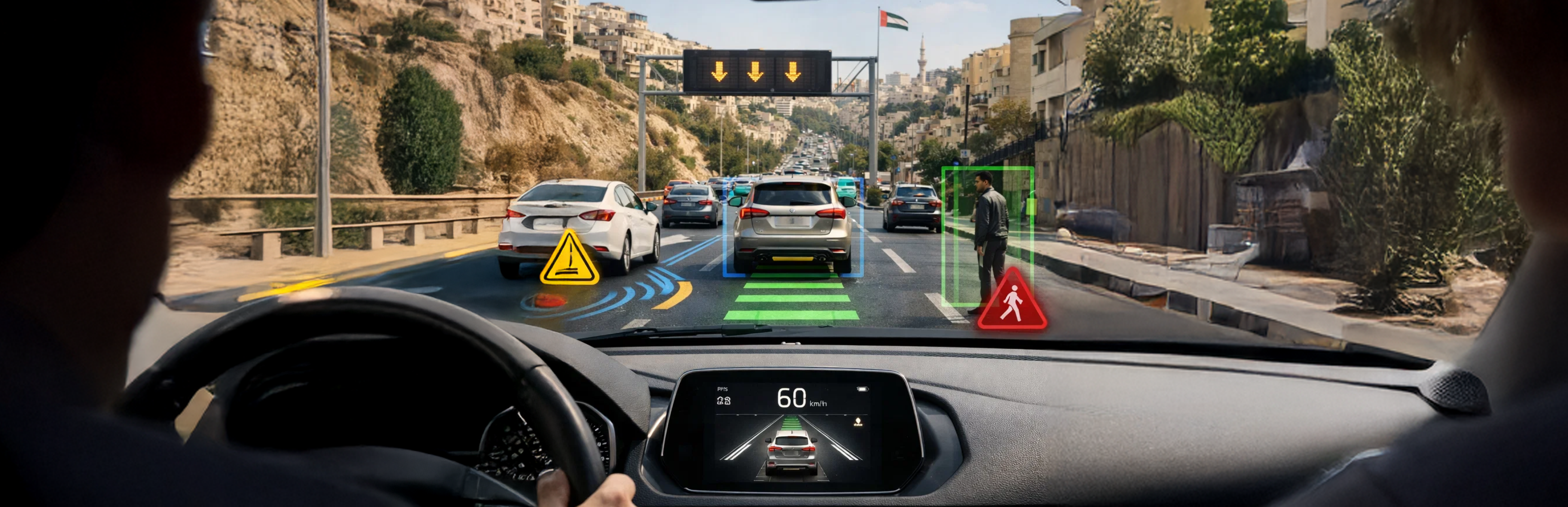
Many wonder about the vast and diverse array of systems found in modern vehicles—some visible, others hidden. These technologies are evolving at an incredible pace. While some view them as mere luxury features, others emphasize their critical role in public safety. Meanwhile, critics argue that their sheer complexity might actually distract the driver. However, before judging their true value, we must understand the core of these technologies: ADAS.
What is ADAS? And Why is it Everywhere Today?
ADAS stands for Advanced Driver Assistance Systems. It is a sophisticated network of "electronic senses"—including radars, cameras, and sensors—acting as a third eye for the driver. These systems are not designed to drive for you, but rather to monitor the surroundings and alert you (or intervene in milliseconds) to prevent human error.
Why the Sudden and Rapid Proliferation?
- Reducing Accidents: Studies indicate that 90% of accidents are caused by "human error." These systems are engineered to slash that percentage.
- Global Safety Standards: International organizations (such as Euro NCAP) no longer award a "5-star" rating unless the vehicle is equipped with essential ADAS features.
- The Road to Autonomous Driving: These systems serve as the foundation for the future of fully self-driving cars.
Types of Smart Safety Systems (ADAS)
These systems cover every angle of driving and can be categorized into three main groups:
I. Active Control Systems (Direct Intervention)
- AEB (Autonomous Emergency Braking): The ultimate safety valve; it automatically applies the brakes if an imminent collision is detected.
- LKA (Lane Keeping Assist): Provides a "smart nudge" to the steering wheel to keep you within your lane.
- ACC (Adaptive Cruise Control): The mastermind for long trips; it automatically adjusts your speed to maintain a safe following distance.
II. Warning and Situational Awareness Systems
- FCW (Forward Collision Warning): Acts as a third eye that alerts you when a front-end hazard is approaching.
- BSM (Blind Spot Monitoring): Covers the angles your eyes cannot see in the mirrors.
- RCTA (Rear Cross Traffic Alert): Your lifesaver when reversing in crowded parking lots.
- LDW (Lane Departure Warning): Alerts you the moment you touch lane markings without using a turn signal.
III. Digital Assistance and Vision
- TSR (Traffic Sign Recognition): Reads speed limit signs to ensure you avoid unexpected fines.
- HUD (Head-Up Display): Projects data onto the windshield so your eyes stay on the road.
- DMS (Driver Monitoring System): An internal camera monitors facial expressions; if you show signs of drowsiness or distraction, it wakes you up.
- 360° Camera & Auto Park: Makes parking in the tightest spots effortless.
The Importance of Smart Safety Systems
Smart safety systems represent a qualitative leap in the automotive world, offering a comfortable, safe, and easy driving experience. While they significantly reduce accidents and ease the burden of long-distance driving, they cannot replace human vigilance. They must be used wisely to enhance safety, as they were undoubtedly created to protect, not distract.
Increasing awareness of how these systems function is essential for utilizing them correctly. Balancing technology with driver alertness is what creates true smart driving, turning every journey into a secure and reassuring experience where artificial intelligence meets human precision.
